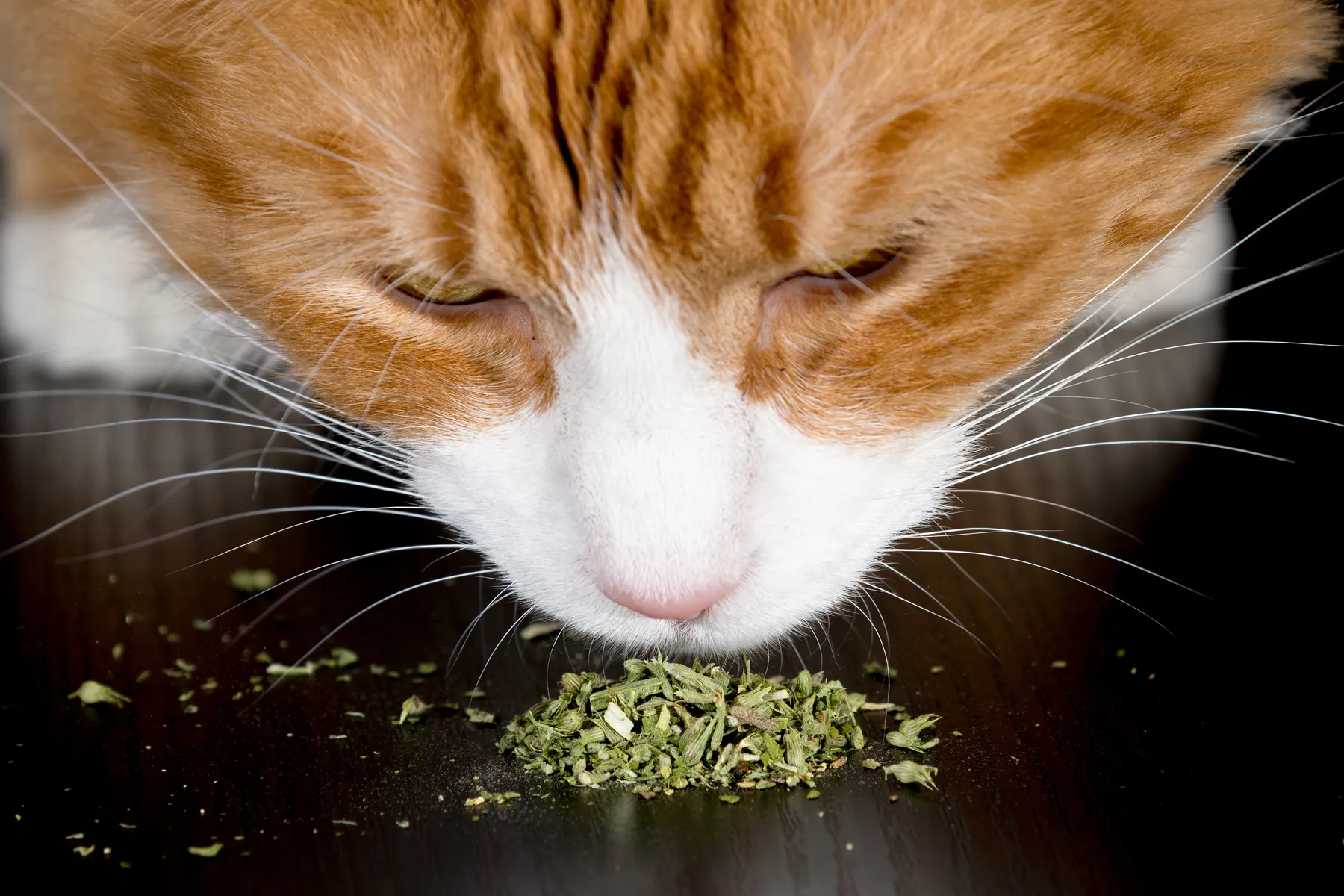
Catnip can have a profound effect on a cat’s behavior, causing them to show signs of euphoria or intense happiness. Cats under the influence of catnip may roll around, act playful, drool, meow and yowl more, or show signs of hyperactivity or lower energy.
While catnip is non-toxic to cats, ingesting large amounts of it can lead to an upset stomach or diarrhea. It is best to monitor your cat’s consumption of catnip and only give it to them in small doses.
Overview Catnip is a popular herb that can enhance your cat's playtime and well-being. It contains nepetalactone, which affects about 50-75% of cats, leading to playful, energetic behavior or relaxation. Incorporate catnip through various toys, like stuffed animals, bubbles, or sprays, to encourage exercise and natural behaviors.
And research shows that cats big and small adore this weedy, invasive member of the mint family. But why do they like catnip so much? Is it safe? And what does it mean if your cat doesn't...
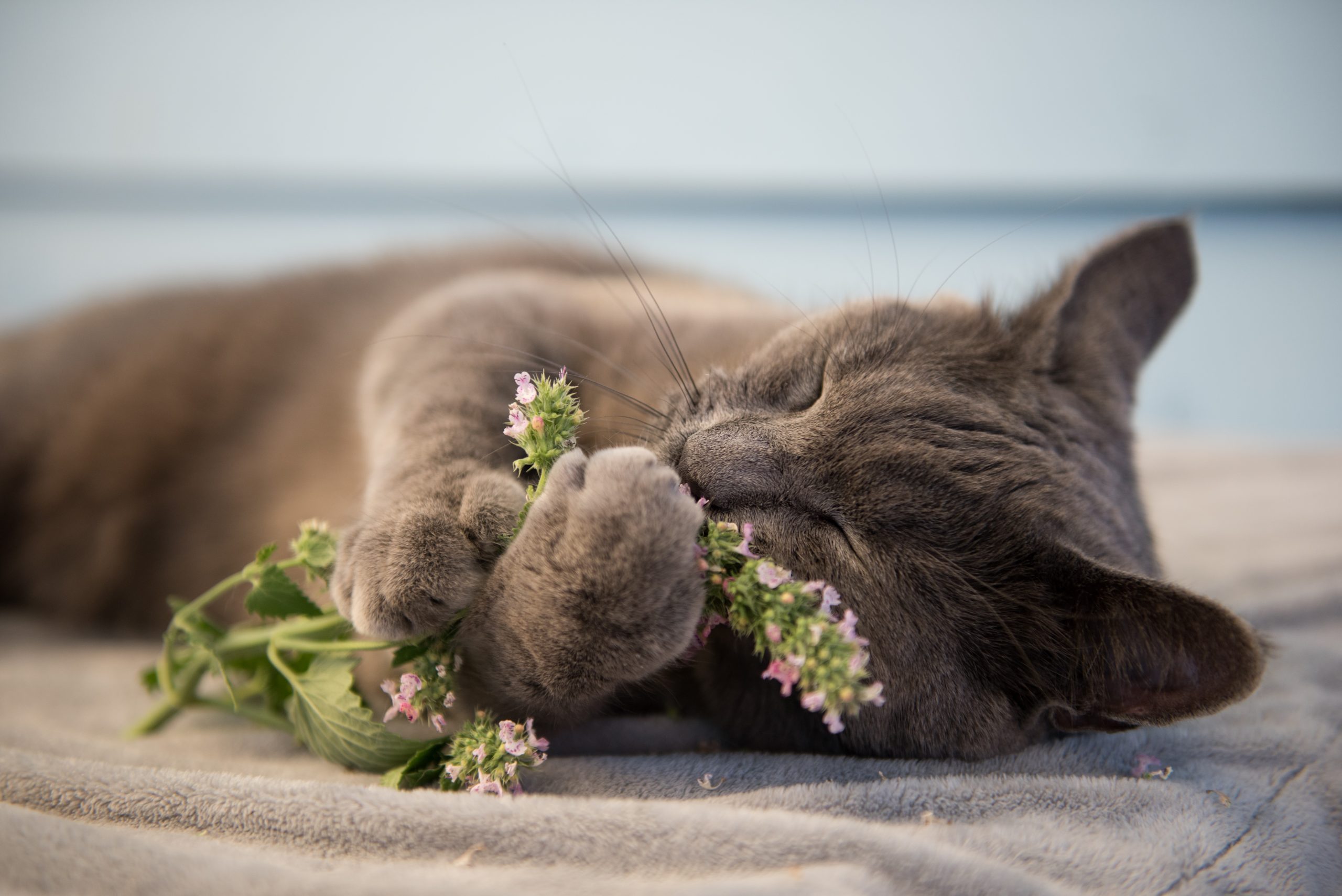
Nearly two-thirds of cats have a hereditary trait that attracts them to catnip. Learn more about its effects on cats, safe catnip toys, and how to grow it!
If you've ever seen a cat go wild after rolling around in some catnip, you may have wondered, "What does catnip do to cats?" Catnip is a member of the mint family. It's abundant in an oil called nepetalactone, which triggers a reaction in cats when the molecules bind to receptors in their noses.
As your cat will start to lick and rub against it, you will notice their reaction turning into something that looks wild and strange. In a bout of hyperactivity they might start stretching, drooling or jumping. Other cats will go for a wild run up and down the room.